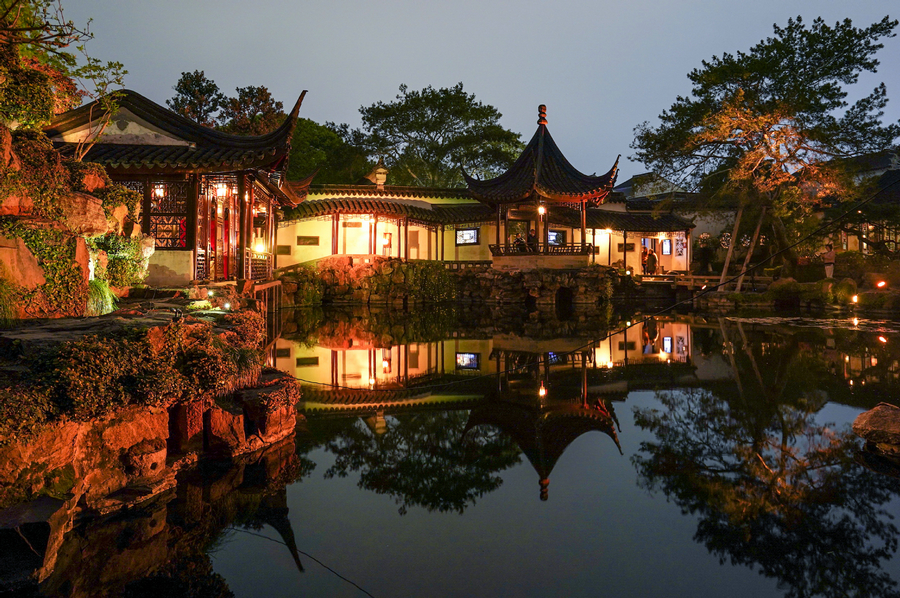
The Master of Nets Garden
Introduction
The Master of Nets Garden, also known as Wangshiyuan, is one of the premier classical gardens located in Suzhou, Jiangsu province, China. Renowned for its intricate design and beautiful landscapes, it is a UNESCO World Heritage Site and one of the most famous and well-preserved gardens in Suzhou, a city known for its classical Chinese gardens. The garden is a quintessential example of a Suzhou garden, blending elements of architecture, art, and horticulture to create a harmonious and tranquil space that reflects the aesthetics and philosophy of traditional Chinese culture.
The garden's history can be traced back to the 12th century during the Southern Song Dynasty (1127-1279). It was later meticulously renovated during the Qing Dynasty (1644-1911), with significant contributions by Song Zongyuan, a notable scholar. The Master of Nets Garden showcases traditional Chinese garden design, emphasizing the creation of a natural landscape in miniature, with water features, pavilions, and carefully arranged plants and rocks to create a serene and picturesque environment.
Today, the Master of Nets Garden stands as a testament to the rich cultural heritage of Suzhou and is celebrated for its exquisite beauty and historical significance. It offers visitors a glimpse into the sophisticated garden culture of ancient China and continues to inspire and captivate those who appreciate its timeless elegance and artistry.
History
The Master of Nets Garden boasts a history that spans several centuries, with its origins rooted in the Southern Song Dynasty. It was initially established during this period, showcasing the early elements of Chinese garden architecture. However, the garden underwent significant transformations in the 18th century under the ownership of Song Zongyuan, a scholar who meticulously redesigned the garden, giving it the appearance and layout that it largely retains today.
Throughout its history, the Master of Nets Garden has been a site of cultural significance, attracting scholars, poets, and artists who found inspiration in its tranquil environment. The garden's design was influenced by the literati culture, an intellectual class that valued nature and artistic pursuits. This influence is evident in the garden's layout, where every element serves both an aesthetic and symbolic purpose, reflecting the philosophical ideals of harmony between man and nature.
In 1997, the Master of Nets Garden, along with other classical gardens in Suzhou, was inscribed as a UNESCO World Heritage Site. This recognition highlighted the garden's exceptional representation of traditional Chinese garden design and its historical value as a cultural heritage site. The UNESCO designation has helped ensure the preservation and protection of the garden, allowing future generations to continue to experience its beauty and historical significance.
Design and Architecture
The Master of Nets Garden exemplifies the quintessential elements of classical Chinese garden design, characterized by its meticulous layout and the harmonious integration of architecture, natural elements, and artistic features. The garden covers an area of approximately 5,400 square meters and is renowned for its compact yet intricate design, which creates the illusion of a larger space.
One of the key features of the garden's design is its use of water elements, including ponds and streams, which are central to its layout. These water features not only enhance the garden's aesthetic appeal but also symbolize purity and tranquility, reflecting the traditional Chinese philosophy of harmony with nature. The garden's pathways and bridges are strategically placed to guide visitors through the space, offering different perspectives and scenes at every turn.
The architecture within the garden includes a series of pavilions, halls, and towers, each with its own unique design and purpose. These structures are adorned with traditional Chinese motifs and serve as spaces for reflection, relaxation, and appreciation of the surrounding beauty. The garden's architecture is characterized by elegant simplicity, with curved roofs, lattice windows, and intricately carved woodwork that blend seamlessly with the natural landscape.
Rocks and plants play a significant role in the garden's design, carefully arranged to create a sense of dynamic balance and natural beauty. The garden features a variety of plant species, including bamboo, pine, and plum trees, which are traditionally associated with the virtues of resilience and longevity. Rocks are used to create miniature mountains and landscapes, adding texture and depth to the garden's composition.
Cultural Significance
The Master of Nets Garden holds immense cultural significance as a representation of traditional Chinese aesthetics, philosophy, and garden design. It embodies the principles of harmony, balance, and beauty that are integral to Chinese culture, making it a valuable cultural artifact and a source of inspiration for generations.
The garden reflects the deep-rooted connection between Chinese art and nature, a theme that is prevalent in Chinese literature, painting, and philosophy. The design principles of the garden are closely aligned with the ideals of Confucianism, Taoism, and Buddhism, which emphasize the importance of living in harmony with the natural world. These philosophical influences are evident in the garden's layout, which seeks to create a microcosm of the natural universe.
As a cultural heritage site, the Master of Nets Garden serves as a living museum that preserves and showcases the artistry and craftsmanship of traditional Chinese gardening. It offers insights into the historical and cultural context of Suzhou during its heyday as a center of art and culture. The garden is a testament to the skill and creativity of the artisans and scholars who contributed to its creation, reflecting the cultural values and aesthetic sensibilities of their time.
The garden also plays a crucial role in promoting cultural exchange and understanding, attracting visitors from around the world who seek to experience the beauty and tranquility of classical Chinese gardens. It serves as a bridge between the past and the present, allowing people to connect with the rich cultural heritage of China and appreciate the timeless elegance of its garden art.
Tourism and Accessibility
The Master of Nets Garden is a popular tourist destination, attracting visitors from across China and around the world. Its status as a UNESCO World Heritage Site and its reputation as one of the finest examples of classical Chinese garden design make it a must-visit attraction for anyone traveling to Suzhou.
The garden is accessible to the public year-round, offering guided tours that provide insights into its history, design, and cultural significance. These tours are available in multiple languages, catering to both domestic and international visitors. The garden's management has implemented measures to preserve its historical integrity while ensuring that it remains accessible to everyone.
To enhance the visitor experience, the garden hosts various cultural events and performances, including traditional Kunqu Opera and pingtan (a form of storytelling and singing), which are integral to Suzhou's cultural heritage. These performances provide visitors with a deeper understanding of the local culture and add an immersive element to their visit.
Efforts have been made to ensure that the garden is accessible to individuals with disabilities, with pathways and facilities designed to accommodate all visitors. The garden also offers educational programs and workshops that aim to educate the public about the art of classical Chinese gardening and its cultural significance.
In addition to its cultural and aesthetic appeal, the Master of Nets Garden is located in close proximity to other attractions in Suzhou, making it an ideal starting point for exploring the city's rich heritage. Visitors can experience the charm of Suzhou's historical neighborhoods, its famous canals, and other classical gardens that collectively contribute to the city's reputation as the "Venice of the East."
Overall, the Master of Nets Garden remains a captivating destination that offers a unique blend of natural beauty, cultural heritage, and artistic expression, providing visitors with an unforgettable experience and a deeper appreciation of China's classical garden art.








